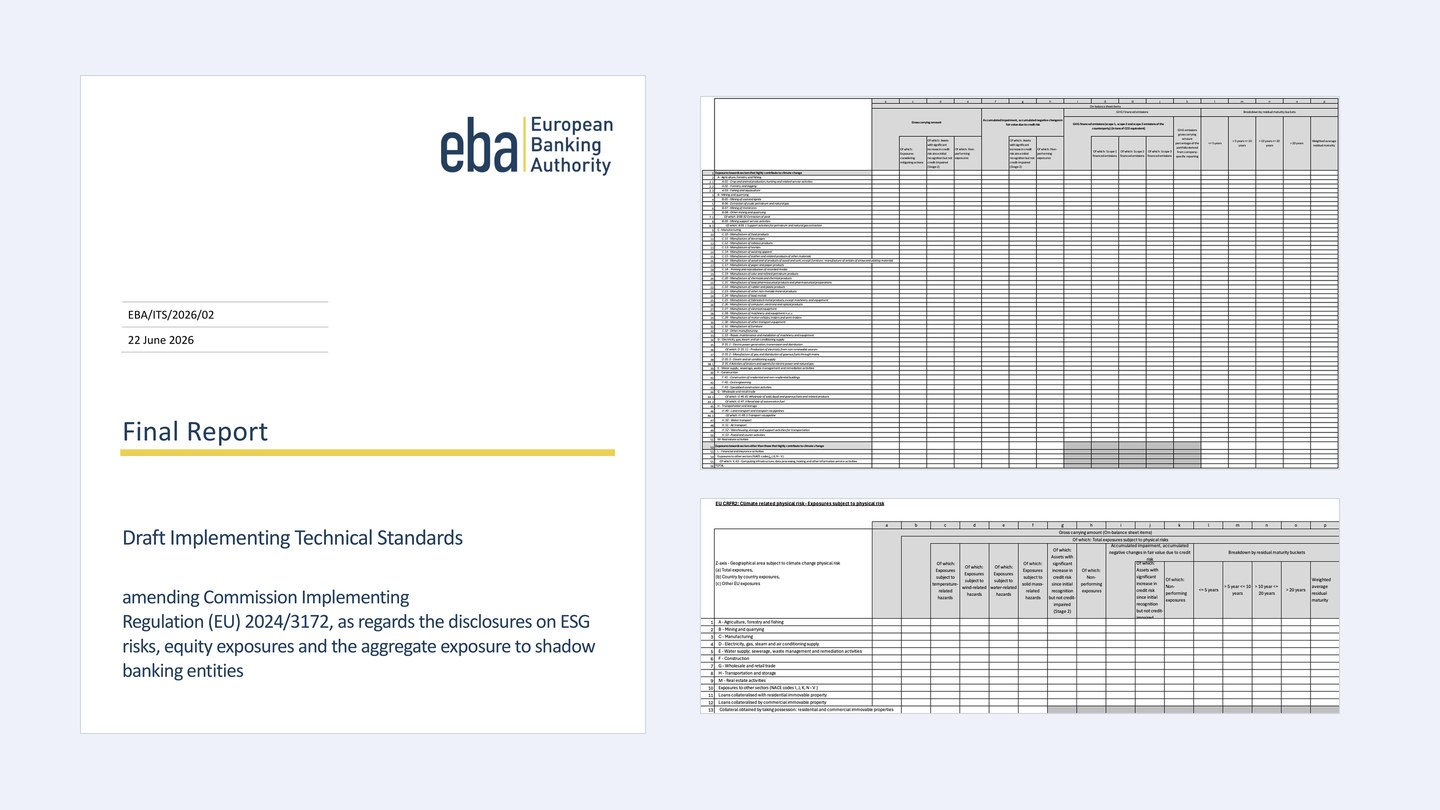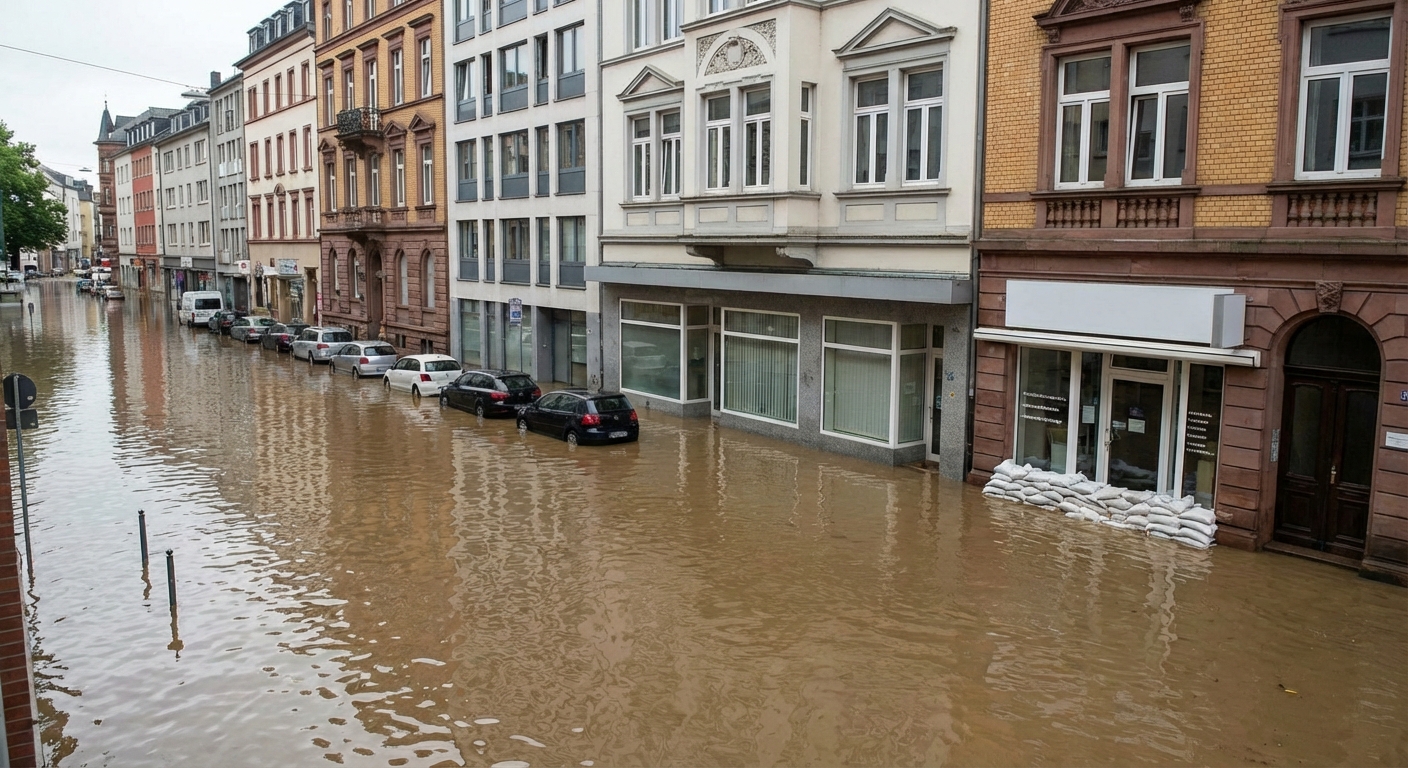
Physical climate risk refers to the potential financial and operational impacts that climate-related events - such as floods, droughts, wildfires, and extreme weather - can have on companies and their assets. As these events become more frequent and severe, understanding and assessing these risks has become crucial for investors, lenders, and businesses.
Yesterday, the Network for Greening the Financial System (NGFS) released a report titled "Leveraging physical climate risk data", which we found both topical and practical.
Why it's topical
Physical climate risk assessments are more important than ever. While one can argue how much the low-carbon transition is slowing down globally, we should all agree that the climate will change. Regardless of your belief about future climate policies, an investor or lender should understand how physical climate shifts might impact a company and its assets.
Financial regulators increasingly recognize this. While supervisory reporting requirements have relaxed in a few areas, they have not been scaled back when it comes to physical climate risk analysis.
Why it's practical
The NGFS note outlines concrete steps for physical climate risk assessment. The number one takeaway stood out:
"More granular data on the location and characteristics of corporate and residential physical assets is needed to assess physical risks more accurately."
It was encouraging to read this because at Klever we have been building capabilities to address exactly that concern. We want datasets that help teams meet regulatory requirements and unlock day-to-day decision-making value. Asset location data does both.
You can explore the full NGFS report below.