Mortgage and SME-lending book
Any address / location
API, Snowflake, Databricks, SFTP etc.
Klever Risk Engine
50+ hazard layers, transparent and configurable.
Risk score with full detail
Hazard-level scores across climate scenarios.
Physical risk
Any company, any address.
| Problem | Our solution |
|---|---|
| Lack of data on companies’ key assets | We find assets for any company. You provide a name or identifier; we build the asset list with full details. |
| Cumbersome technical implementation of hazard layers | Our API lets you enter any address or location and get a full risk picture using the hazard datasets mentioned in the Pillar 3 ITS. |
| Black box risk methodologies | We are fully transparent about the assumptions in our risk engine. You can configure them to your specifications. |
Turnkey solution
Any address / location
API, Snowflake, Databricks, SFTP etc.
Klever Risk Engine
50+ hazard layers, transparent and configurable.
Risk score with full detail
Hazard-level scores across climate scenarios.
Any company
Just a company name or identifier
We find all key assets
Asset details and precise locations.
Klever Risk Engine
50+ hazard layers, transparent and configurable.
Risk at each asset location
Detailed asset scores and an aggregate company score.
Our service
Asset data with full company coverage, a transparent and configurable methodology, and a visual interface for risk analysis.
Hazard coverage
Aligned with Pillar 3 ITS and EBA requirements — all four hazard classes, from official sources, for the historical climate and forward-looking scenarios.
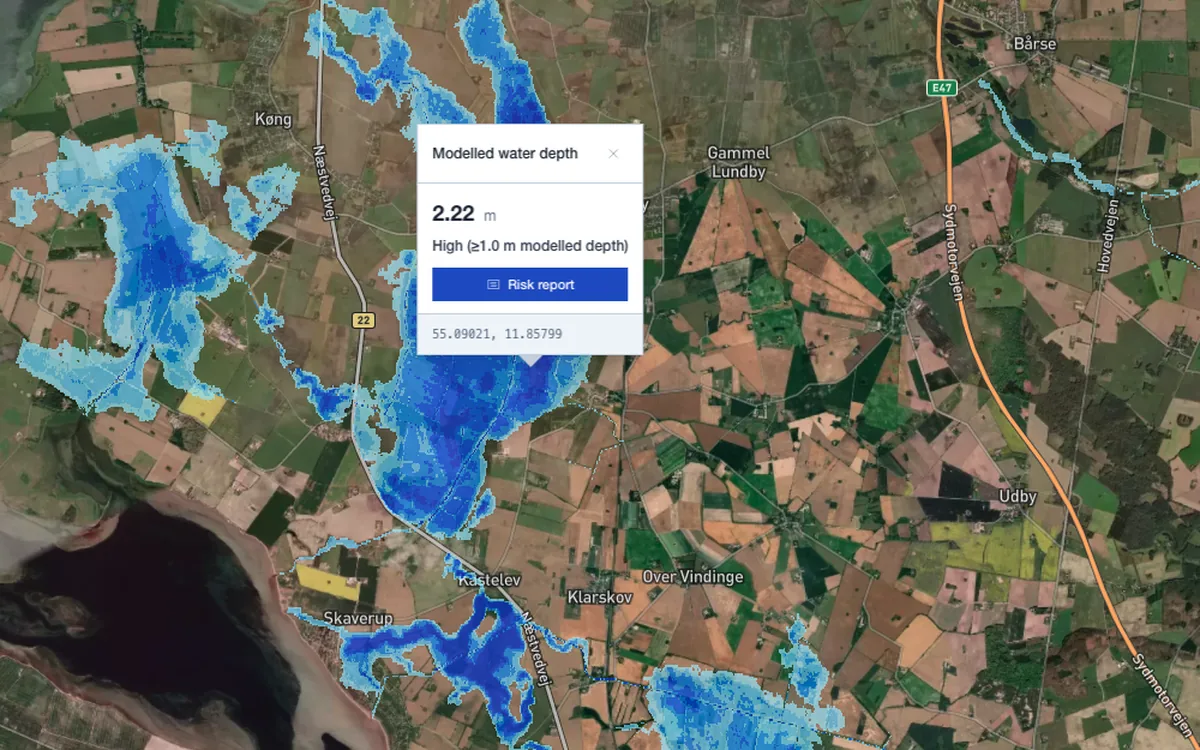
Local and global flood maps for any address or key asset, at multiple return periods and climate scenarios.
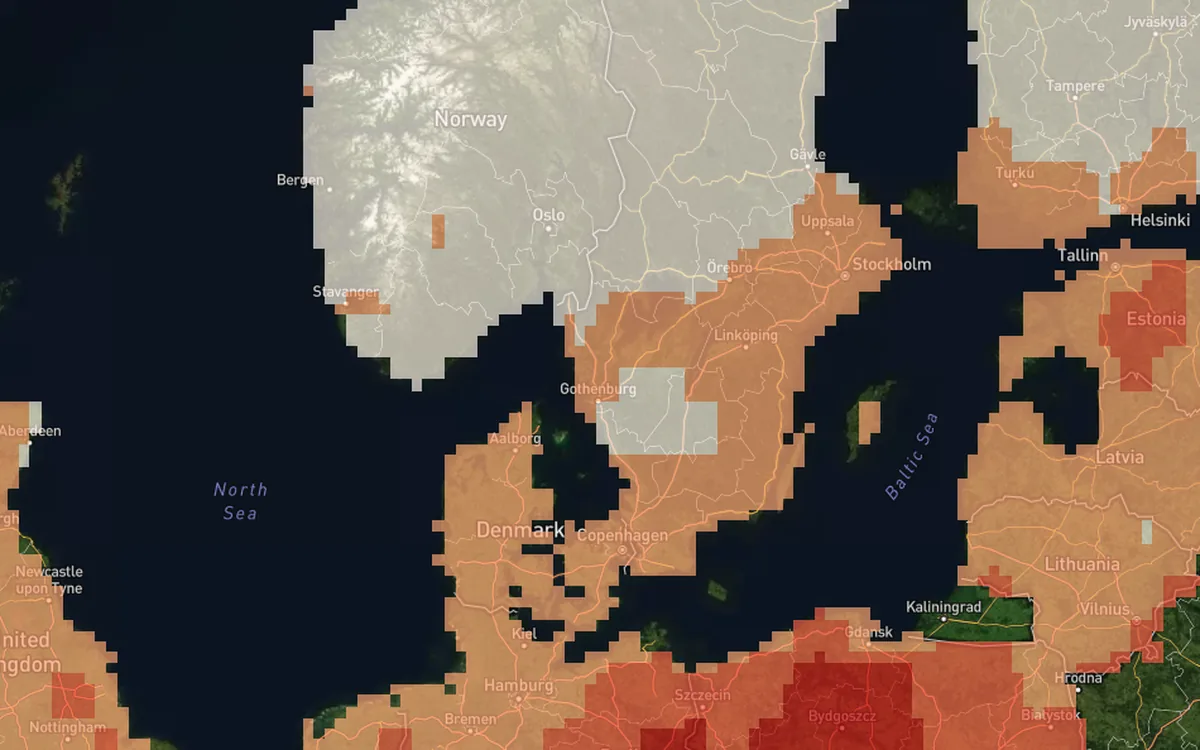
Wildfire hazard from official European and global fire-danger data, screened across the whole book.
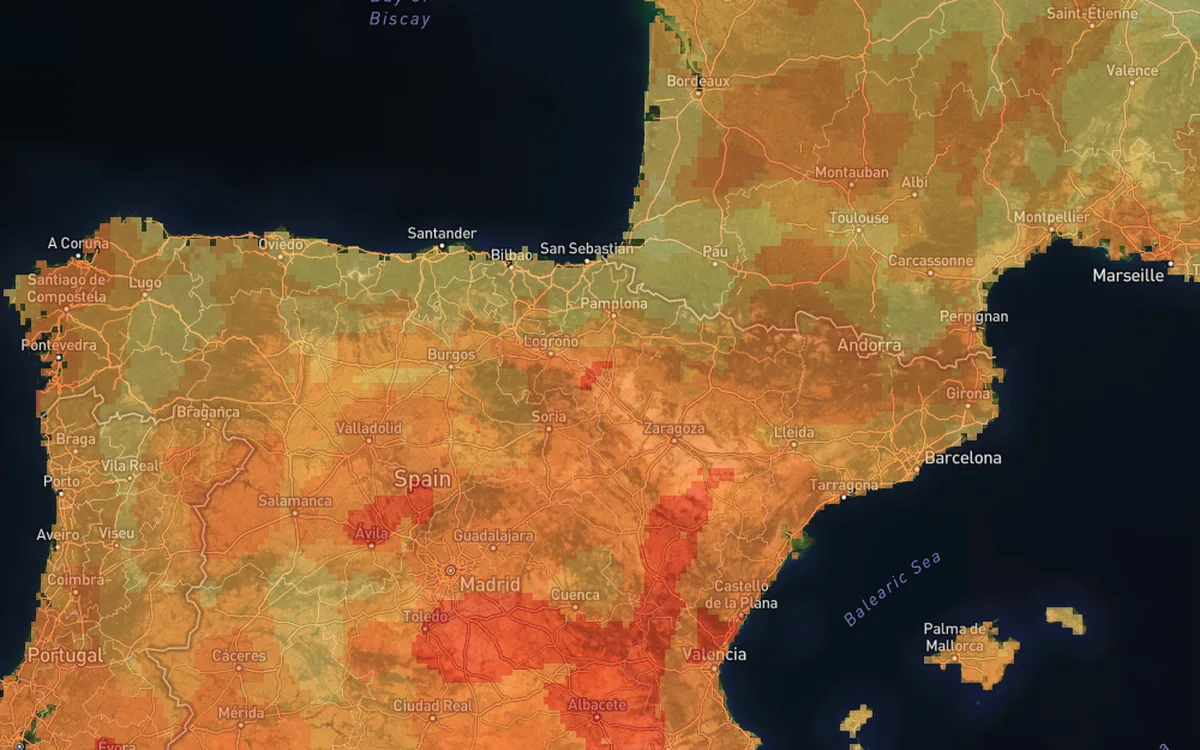
Drought hazard from established global indices, for the historical climate and forward-looking scenarios.
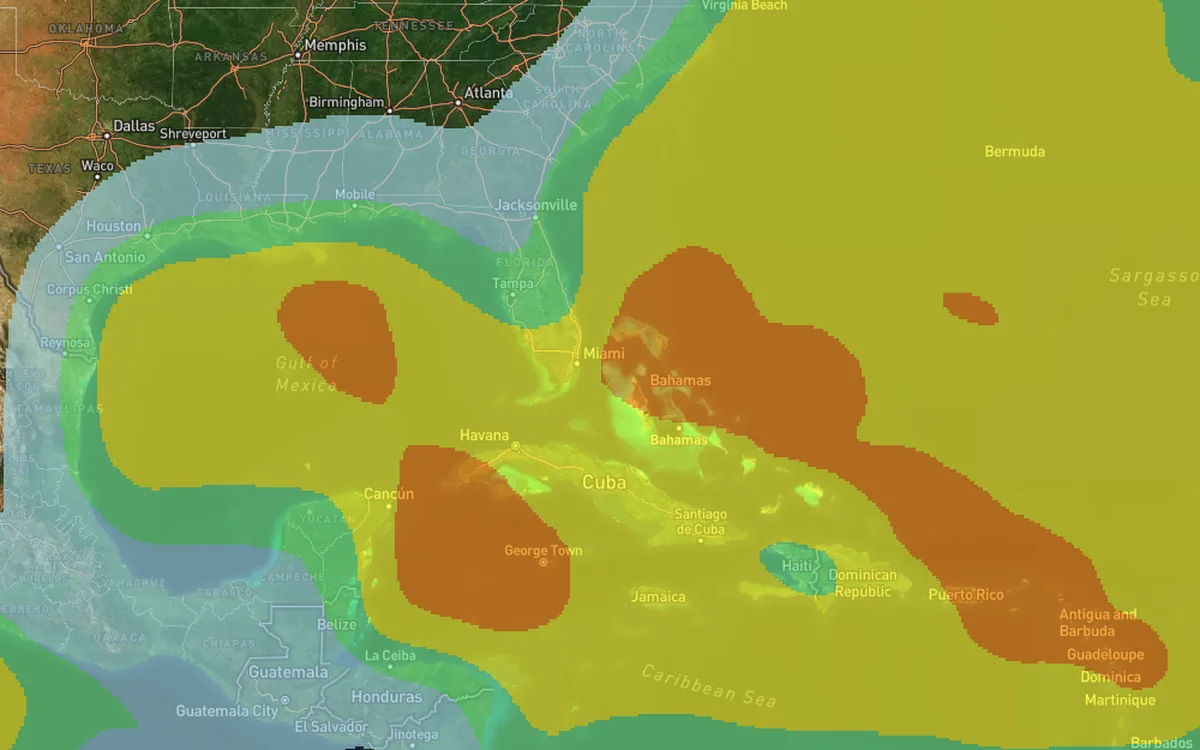
Global cyclone and storm wind hazard, at multiple return periods and climate scenarios.
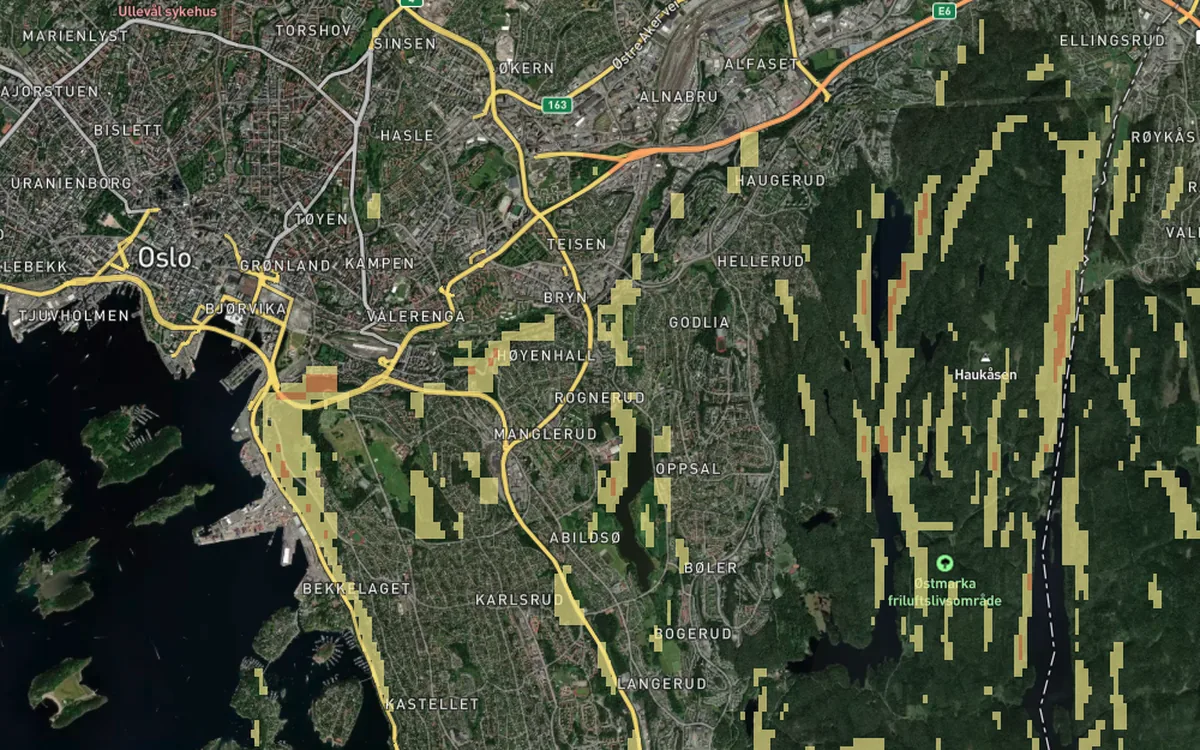
Landslide, subsidence and seismic layers from official geological data, historical and forward-looking.
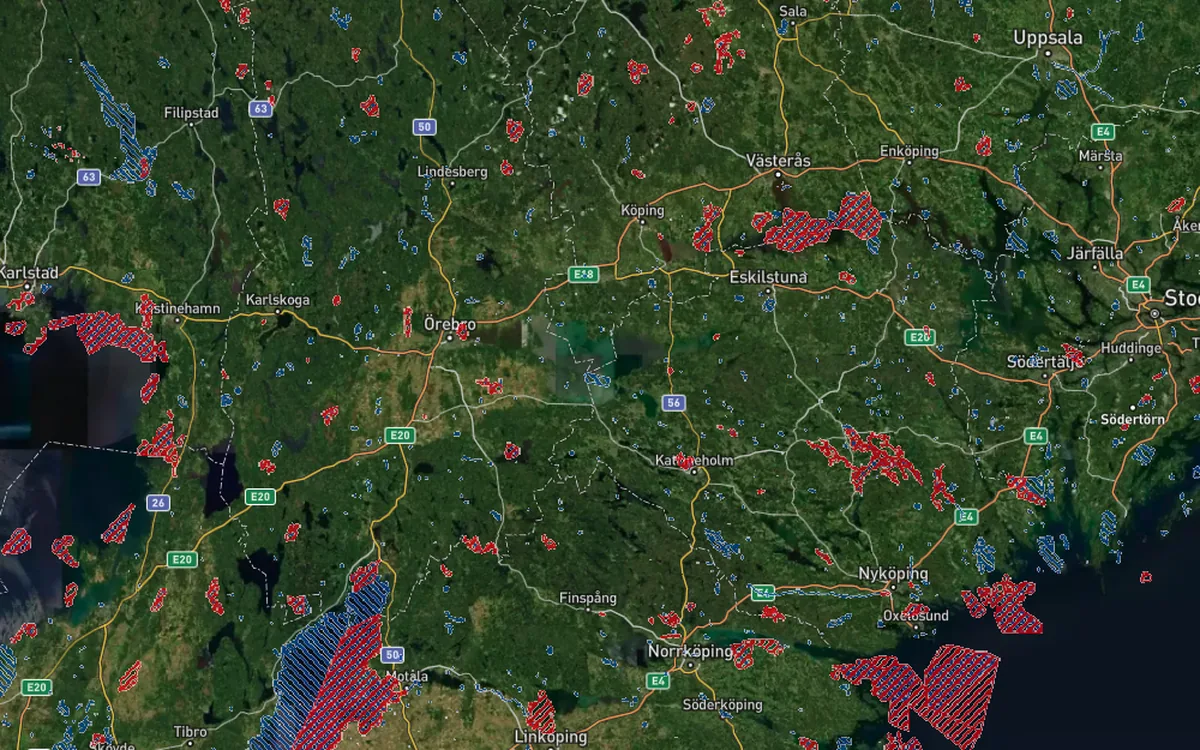
Protected areas and biodiversity designations, for the environmental risks the EBA Guidelines reach beyond climate.
Global, European and national sources include: WRI Aqueduct · GIRI · World Bank · JRC DRMKC · Copernicus · EEA · IPCC · MSB · NVE · Kartverket
Map imagery © Mapbox · © OpenStreetMap contributors · © Maxar
Regulatory compliance
Aligned with the EBA Guidelines and revised Pillar 3 ESG templates.
Pillar 3 ESG · EU CRFR2
Large institutions: physical risk exposures by industry, country and hazard type — temperature, wind, water and solid mass.
Company and collateral asset data: key asset locations and exposure to all four hazard types.
Pillar 3 ESG · EU CRFR2.1
Other listed institutions and large subsidiaries: physical risk exposures by industry and country, without a hazard-type split and with two maturity buckets.
The same company and collateral asset data supports the simplified physical risk template.
Pillar 3 ESG · EU CRFR2 / CRFR2.1
Precise geolocation of assets and activities, at a minimum NUTS 3, for risk assessment. Disclosures are by country.
Geocoded company assets and collateral addresses, with NUTS classification for each location.
EBA Guidelines on the management of ESG risks
Geographical location of counterparty key assets
Key-asset discovery for any non-financial corporate
EBA Guidelines on the management of ESG risks
Multi-hazard, multi-scenario analysis
Hazard layers and scenarios from the institutions referenced in the Guidelines
EBA scenario analysis · ESA ESG stress testing
Short- and long-term (>10 yr) stress horizons
Multiple time-spans for every hazard type
Ready to see Klever?
Leave your email, we'll contact you for a walkthrough.
Prefer email? Contact us
We use limited cookieless audience measurement to understand page traffic without storing browser identifiers. Accepting analytics cookies adds session continuity; you can continue without them or disable all audience measurement in the details.